Getting Started
Nervous About Your First Pole Class? Read This
If you're nervous about a pole class, you're in good company. Here's what people are really anxious about before their first class — and why every one of those fears fades.
Pole Club Team5 min read
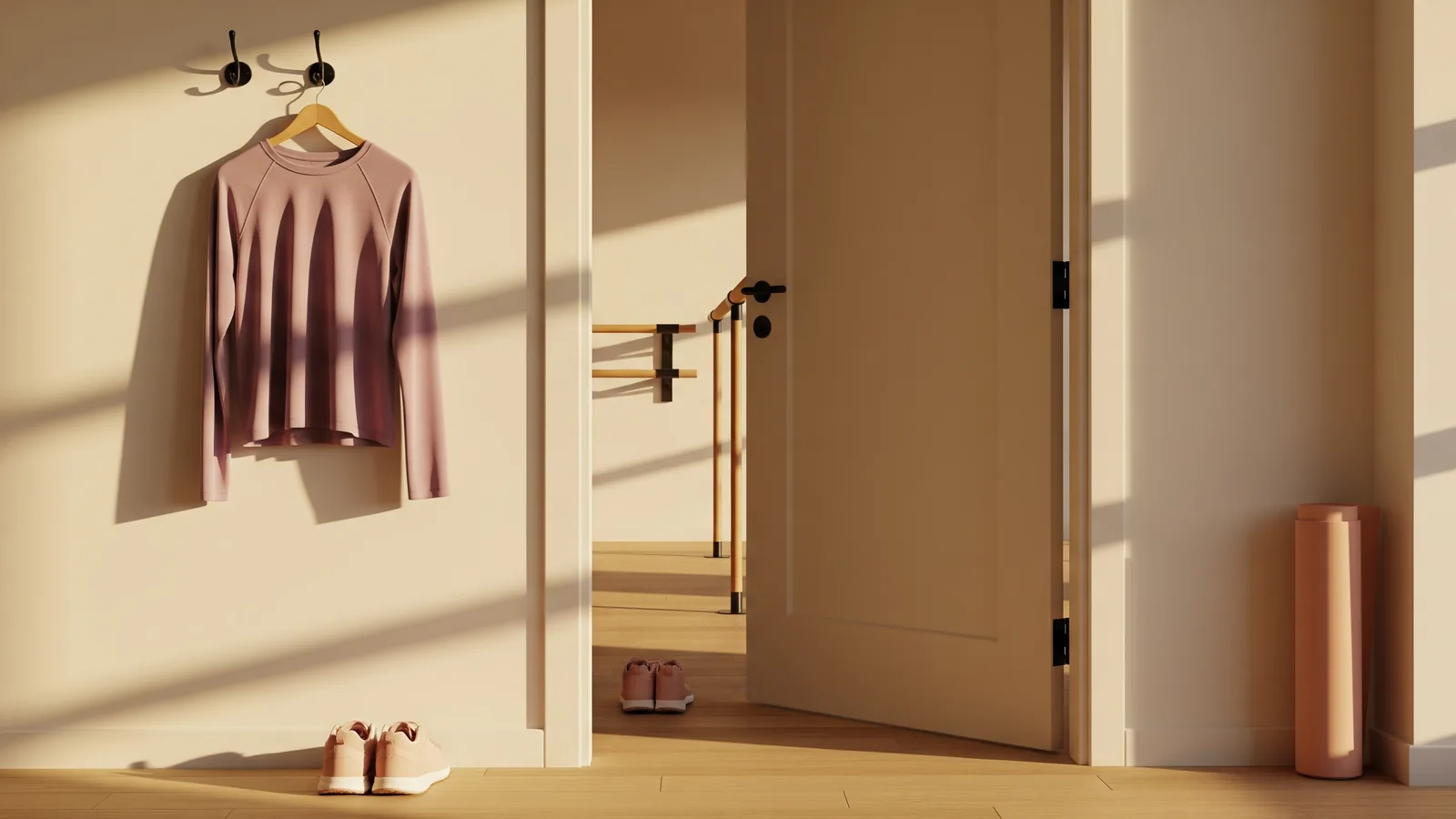
Being nervous about your first pole class is completely normal, and it's usually gone within the first ten minutes. Nearly everyone in a beginner class walked in feeling exactly the same way — self-conscious, unsure, half-expecting to be the least capable person there. The nerves are real, but they rarely survive contact with an actual class, and this piece walks through why.
The anxiety tends to cluster around the same handful of fears, and naming them takes a lot of their power away. Most come down to a worry that you'll be judged — for your body, your fitness, your coordination, or simply for being new. Studios are built around beginners, and the room you're dreading is far kinder than the one in your head.
Will I be the only beginner in the room?
No — a beginner class is, by definition, a room full of beginners, all as new and nervous as you. Studios run dedicated first-timer and beginner courses precisely so that nobody is thrown in with experienced polers. You won't be the odd one out; you'll be one of a dozen people who booked the same class for the same reasons.
That shared newness is one of the nicest things about starting pole. There's an instant, quiet camaraderie in wobbling through your first spin next to someone doing the same, and beginner cohorts often end up genuinely friendly. If you want a play-by-play of the session itself, what to expect in your first pole class takes you through it minute by minute.
What if I'm not fit or strong enough?
You don't need to be fit or strong to start pole — beginner classes assume you're neither and build both through the moves themselves. Your first spins and holds rely on technique and body position far more than raw power, and instructors scale everything to where you are on the day. Strength arrives as a result of pole, not a requirement for it.
This is the fear that keeps the most people away, and it's the one with the least basis. Nobody is bench-pressing their way through a beginner class, and the strength you're worried about not having is exactly what the course is designed to give you. If you're curious about how demanding it really is, is pole dancing hard gives an honest answer without sugar-coating or scaremongering.
What if I look silly or can't do the moves?
You will look a bit silly, everyone does, and it genuinely doesn't matter. Every poler you admire started by clinging awkwardly to a pole with butter for hands, and the instructor has seen thousands of first attempts. Looking a little daft while you learn something hard is the price of admission for every worthwhile skill, and the room knows it.
The freeing part is realising nobody is watching you. Everyone in the class is fully absorbed in their own pole, their own grip, their own wobble — there's no spare attention going spare to judge yours. That self-consciousness fades fast once you notice the person next to you is far too busy with their own first spin to clock yours.
I'm worried about my body being on show
Body-image worries are among the most common reasons people hesitate, and they deserve a straight, kind answer: pole studios are some of the least judgemental fitness spaces you'll find. You'll be in shorts because bare skin grips the pole, not to be on display, and the room is full of every body type doing the same thing. Nobody is assessing yours.
Pole draws people of every shape, age and background, and studios tend to actively cultivate a body-positive, come-as-you-are atmosphere. You can start with longer shorts and cover up as much as feels comfortable, going shorter only if and when you want to. The confidence that pole builds tends to work outward from the skill, and a lot of people find their relationship with their body shifts for the better.
“The confidence isn't a prerequisite for pole — it's one of the things pole quietly gives you.”
What if I hate it or want to leave halfway through?
If you decide pole isn't for you, that's a completely acceptable outcome, and a single taster or drop-in class is a low-risk way to find out. You're not signing up for a lifelong commitment by walking in the door; you're trying something once. Most people who go expecting to hate it are surprised, but there's no shame in it not clicking.
Booking a taster session rather than a full block takes the pressure off entirely — you get to sample the studio, the instructor and the feeling of the pole with nothing riding on it. Choosing a studio that feels welcoming makes a real difference here, and you can browse and compare local options in the Pole Club directory to find one whose vibe suits you.
How do I actually calm the nerves beforehand?
Turn up a few minutes early, bring water, and give yourself permission to be a beginner — those three things settle most first-class nerves. Arriving with time to spare means you're not flustered, and knowing the practical basics beforehand removes a whole layer of worry. Preparation is the quiet antidote to anxiety.
Reading through the practical side in advance helps more than you'd think, because a lot of the nerves are really just fear of the unknown. Our complete beginner's guide covers what to wear, what it costs and what happens in class, so nothing catches you off guard. Once you know what's coming, the only thing left to do is turn up — and that first spin tends to melt the nerves for good.
Common questions
- Is it normal to be nervous before a first pole class?
- Completely normal — most people walk in nervous and relax within the first ten minutes. Beginner classes are full of first-timers feeling exactly the same way, and instructors are used to it. Telling your instructor you're nervous at the start often helps you settle faster.
- Will everyone be more experienced than me?
- No. Beginner and first-timer classes are made up entirely of newcomers, so you won't be thrown in with experienced polers. Studios deliberately separate levels so nobody feels out of their depth, and the shared newness is one of the friendliest parts of starting.
- What if I can't do any of the moves?
- That's expected on day one, and instructors scale every move to your level. Beginner classes are built for people who can't do anything yet, starting with technique-led spins rather than strength moves. Looking a little awkward while you learn is normal and fades quickly with practice.
- I'm self-conscious about my body — is pole right for me?
- Pole studios are among the least judgemental fitness spaces around, welcoming every shape, age and background. You wear shorts to grip the pole, not to be on show, and you can cover up as much as feels comfortable. Many people find pole quietly improves how they feel about their body.
- Can I leave if I don't like my first pole class?
- Yes. A taster or single drop-in class is a low-commitment way to try pole, and there's no obligation to continue if it isn't for you. Most people are pleasantly surprised, but deciding it's not your thing is a perfectly fine and common outcome.
Keep reading
See all posts →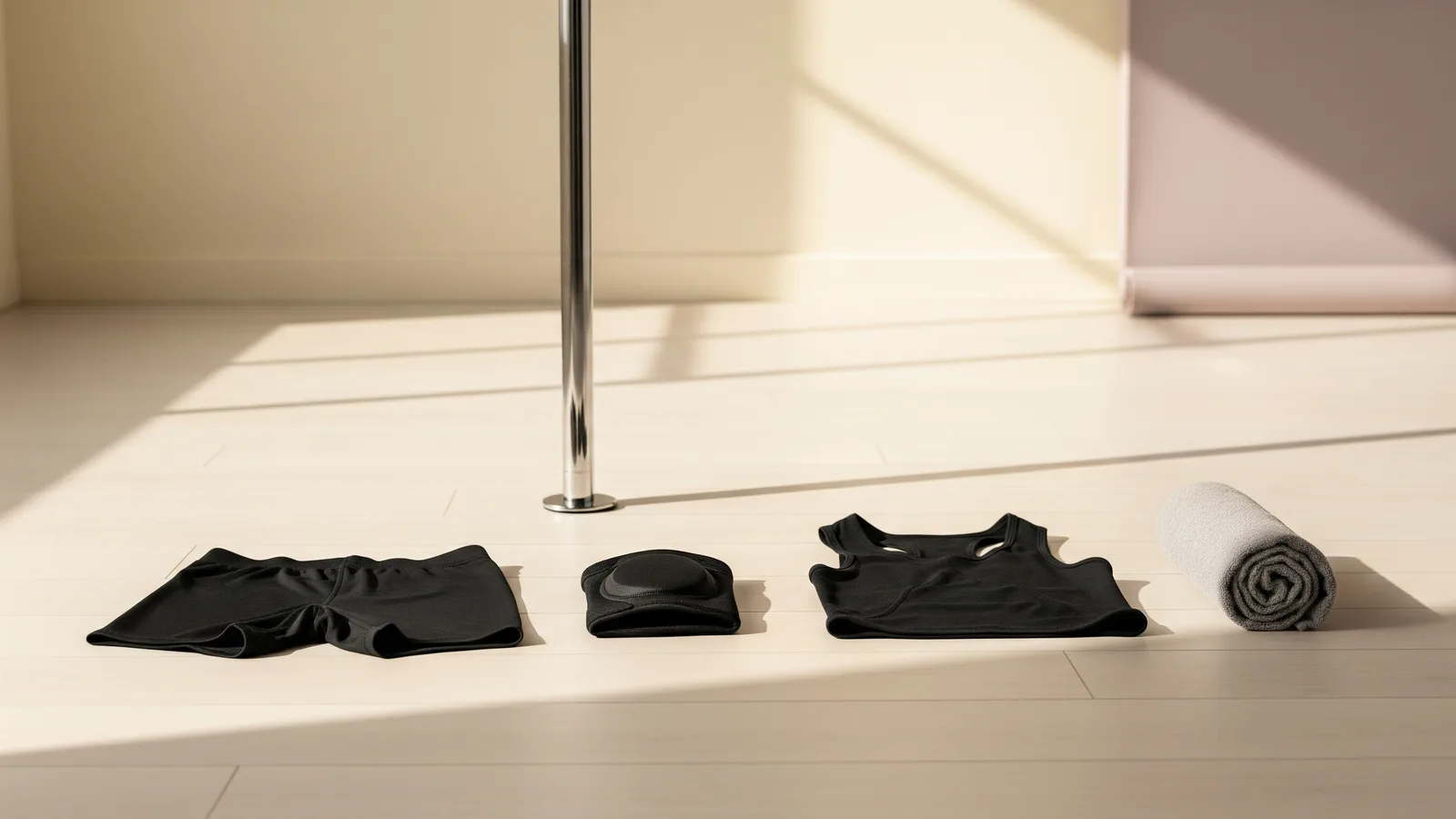
Getting Started
What to Wear to Pole Dancing Class (And What to Leave at Home)
The grip-first guide to what to wear to pole class: why shorts beat leggings, what to leave at home, coverage for the self-conscious, and seasonal notes.
Getting Started
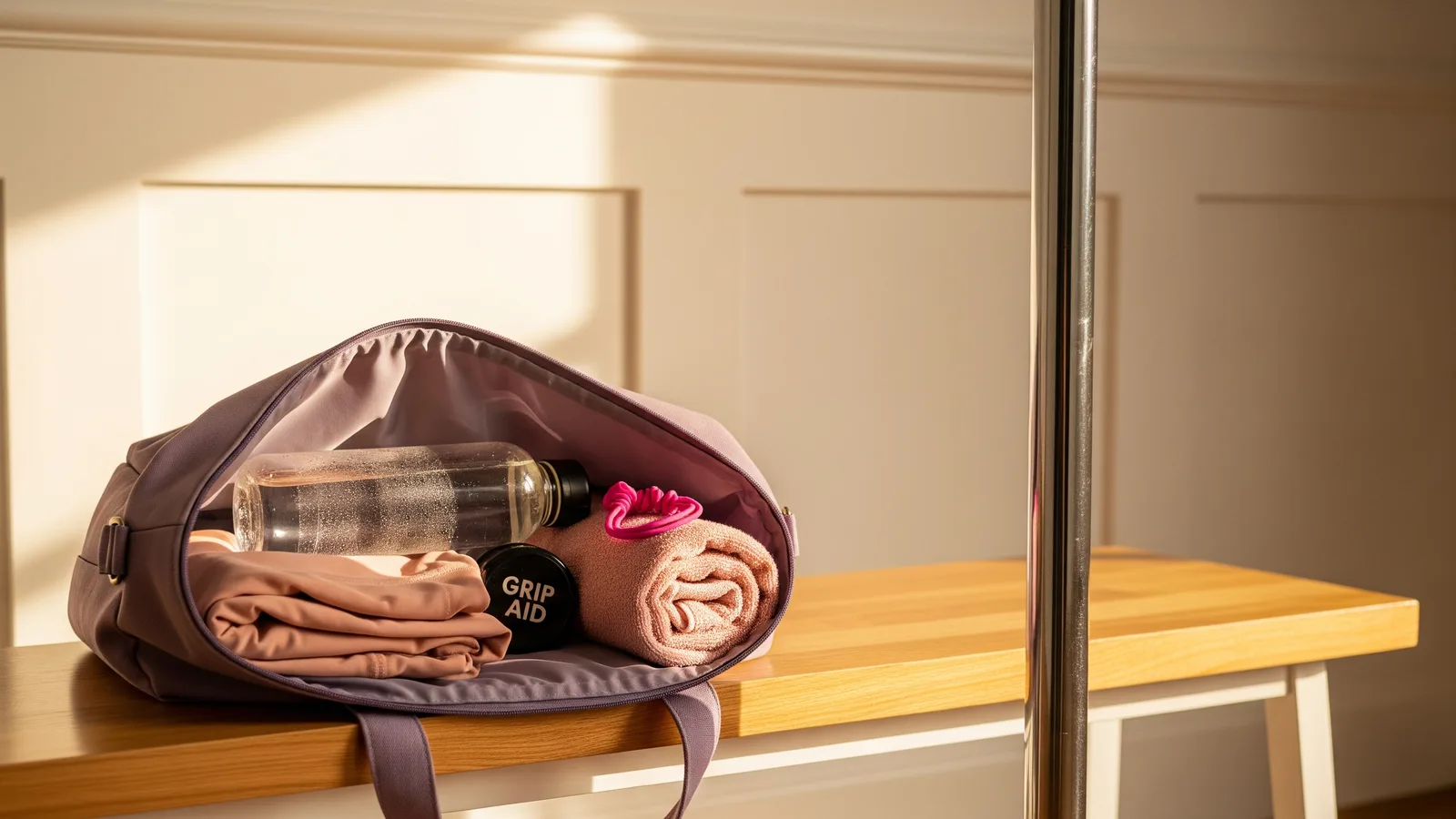
What to Expect at Your First Pole Dancing Class: An Honest Walkthrough
A minute-by-minute logistics guide to your first pole class — arriving, waivers, warm-up, sharing a pole, the moves you'll try, and what to do after.
Getting Started
Can You Teach Yourself Pole Dancing? What Self-Taught Polers Say
Can you teach yourself pole dancing? You can learn the basics at home — but a qualified instructor prevents bad habits and injuries, especially before you invert.