Getting Started
Plus Size Pole Dancing: Why Pole Is for Every Body
Plus size pole dancing is real, thriving and for everyone. An honest look at grip, technique adjustments, pole weight limits as engineering, and finding inclusive studios.
Pole Club Team5 min read
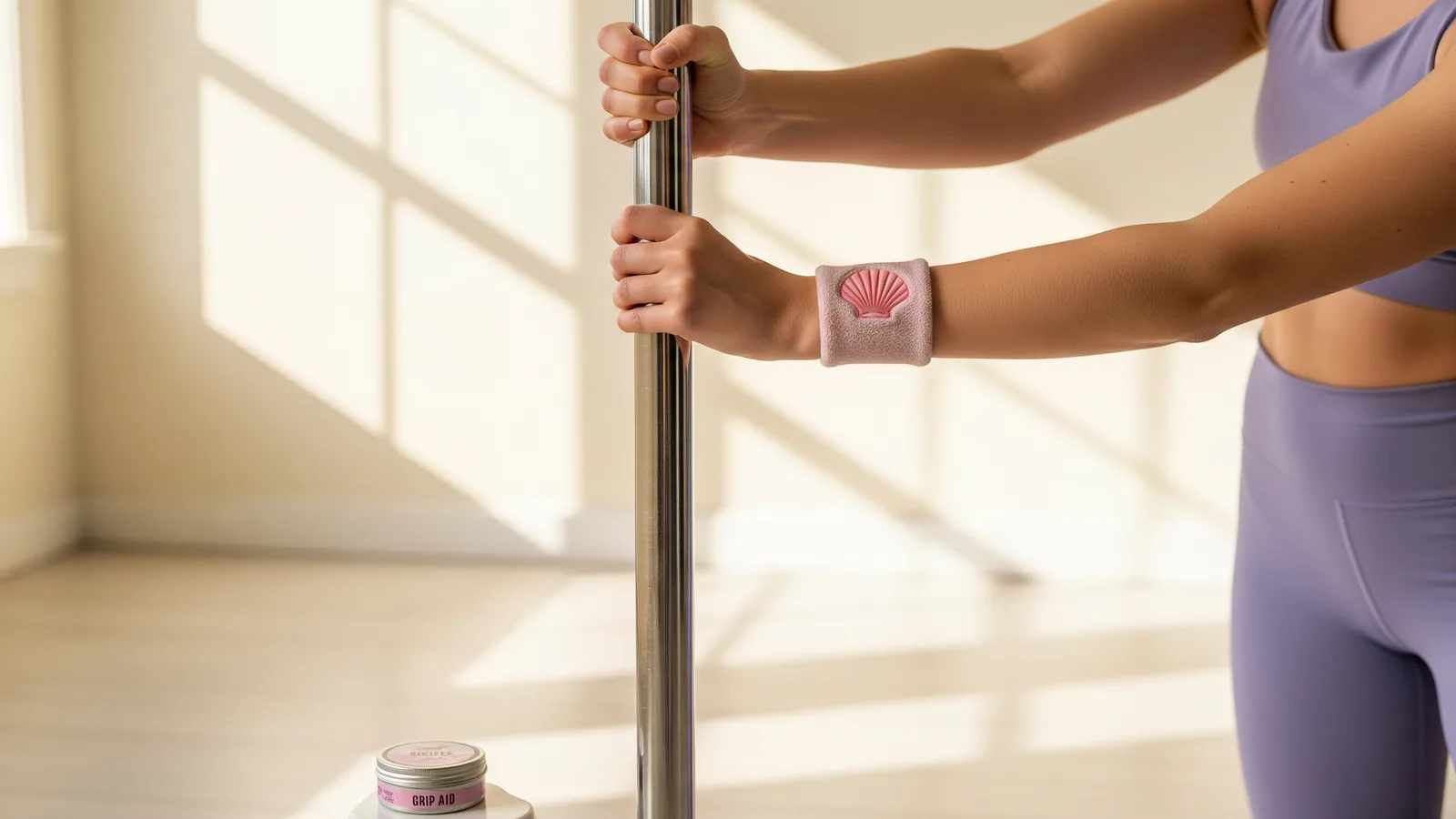
Pole dancing is for every body, full stop. Plus size polers spin, climb, invert and perform at every level, and there is nothing about a bigger body that rules pole out. What follows is an honest guide — not a pep talk that skips the real questions, but a straight look at grip, technique, what pole weight limits actually mean, and how to find a studio where you'll feel at home.
The pole community has a genuine, visible body-positive streak that other fitness spaces often lack. That doesn't mean every studio gets it right, and it doesn't mean the practical stuff — grip, kit, finding the right class — doesn't take a little more thought. Both things are true, and you deserve the honest version rather than either empty reassurance or quiet gatekeeping.
Is there a weight limit for pole dancing?
The weight limits you'll see quoted relate to pole equipment engineering, not to who is allowed to dance. Reputable brands like X-Pole and Lupit publish static load ratings that sit well above most people's bodyweight, and those figures exist so manufacturers can certify their kit — the same way a climbing rope or a chair carries a rating. It is a factual specification, not a judgement about your body.
In practice, a correctly installed pole from a reputable brand comfortably holds far more than the standing weight of the person on it, and studios use commercial-grade equipment rated accordingly. If you train at home, this is one reason to buy a proper pole from a known manufacturer rather than a cheap unbranded one, and to install it exactly to instructions. The number is engineering; it is never a velvet rope.
Does grip work differently in a bigger body?
Grip on the pole comes from skin contact and technique, and that's true at every size. Where you make contact, how you press into the pole, and how much bare skin you can get against it all matter more than any single body measurement. Some plus size polers find certain grips need adjusting to work with their body's shape and soft tissue, and a good instructor helps you find the version that holds for you.
Sweat and skin grip vary hugely from person to person regardless of size, which is exactly what grip aids exist for. A little Dry Hands or a similar grip aid can transform how secure a spin feels, and finding your personal grip formula is a normal part of every poler's first months. If a move isn't holding, that's a technique-and-grip puzzle to solve with your instructor, not evidence that pole isn't for your body.
“Grip is a skill you build, not a body type you're born with. Everyone's hands are sweaty and useless at first.”
What technique adjustments actually help?
The most useful adjustments are about contact points and finding the version of a move that works with your body rather than against it. A skilled instructor will tweak hand placement, the angle you enter a spin, or where your legs grip so the mechanics suit you — the same individualising they do for tall polers, short polers, hypermobile polers and everyone else. Adaptation is normal teaching, not special treatment.
Polewear that lets you get bare skin where you need grip makes a real difference too, and there's inclusive polewear made for every size and shape. Beyond that, the path forward is the same as for any beginner: build strength gradually, learn the fundamentals, and don't rush upside down. Our first ten pole moves guide and the wider moves dictionary break moves down with technique notes you can revisit between classes.
How do I find a genuinely inclusive studio?
Look for a studio that shows a range of bodies in its own photos and social media, runs proper beginner courses, and welcomes questions warmly when you get in touch. How a studio answers an email asking whether their classes suit plus size beginners tells you a great deal — a good one responds with practical reassurance, not awkwardness. A taster session is the surest test of the vibe.
You can browse studios by town and read recent reviews in our UK pole class directory, which helps you spot the welcoming ones before you book. City hubs like pole classes in London and Manchester list several studios side by side so you can compare beginner offerings and find one that feels right.
Will I be strong enough to hold myself up?
You'll build the strength you need through the classes themselves, exactly as every beginner does — nobody arrives able to hold their bodyweight cleanly, and that isn't the starting point pole assumes. Your first moves stay close to the floor and lean on technique and body position far more than raw power. The strength to climb, hold and eventually invert develops over months, at whatever size you are.
Strength gains in pole are genuinely satisfying because they're so functional, and a little conditioning between classes speeds everything up while taking pressure off your grip during sessions. Progress is non-linear for everyone — some moves click instantly, others take weeks of quiet repetition — and that rhythm has nothing to do with your body size. What builds the strength is turning up regularly, not being strong to begin with.
What should I expect in my first plus size pole class?
Expect the same warm, slightly nervous first-class experience everyone has — a warm-up, a couple of beginner spins or holds, and a stretch to finish. You don't need strength or flexibility to begin, and you'll build both through the classes themselves. Pole kisses, the affectionate name for grip bruises, are a rite of passage that everyone earns, and they fade as your skin adapts.
If you'd like the honest, minute-by-minute version of what a first session feels like before you go, our first-class walkthrough covers the bits nobody warns you about. The most important thing to bring isn't a body type — it's a willingness to be new at something for an hour. Everyone in that room started exactly there.
Common questions
- Can plus size people do pole dancing?
- Yes, absolutely. Plus size people pole dance at every level, from first spins to advanced tricks. Bodies of all sizes learn to grip, climb and invert. Any technique adjustments are a normal part of good teaching, exactly like the tweaks instructors make for every body.
- Is there a weight limit that stops you doing pole?
- The weight ratings on poles are equipment engineering specifications from manufacturers, well above most people's bodyweight — not rules about who can dance. Reputable studios use commercial-grade poles rated accordingly. The number reflects the kit's certification, never a limit on who's welcome to learn.
- Does pole dancing hurt more or bruise more in a bigger body?
- Grip bruises, affectionately called pole kisses, are universal for beginners of every size and fade as your skin toughens. There's no evidence bigger bodies bruise more from pole specifically. Grip aids and good technique reduce the friction that causes them for everyone.
- How do I know if a pole studio is inclusive?
- Look at whether their own photos show a range of bodies, whether they run genuine beginner courses, and how warmly they answer a direct question about suiting plus size beginners. A friendly, practical reply is a good sign. A taster session confirms the atmosphere before you commit.
Keep reading
See all posts →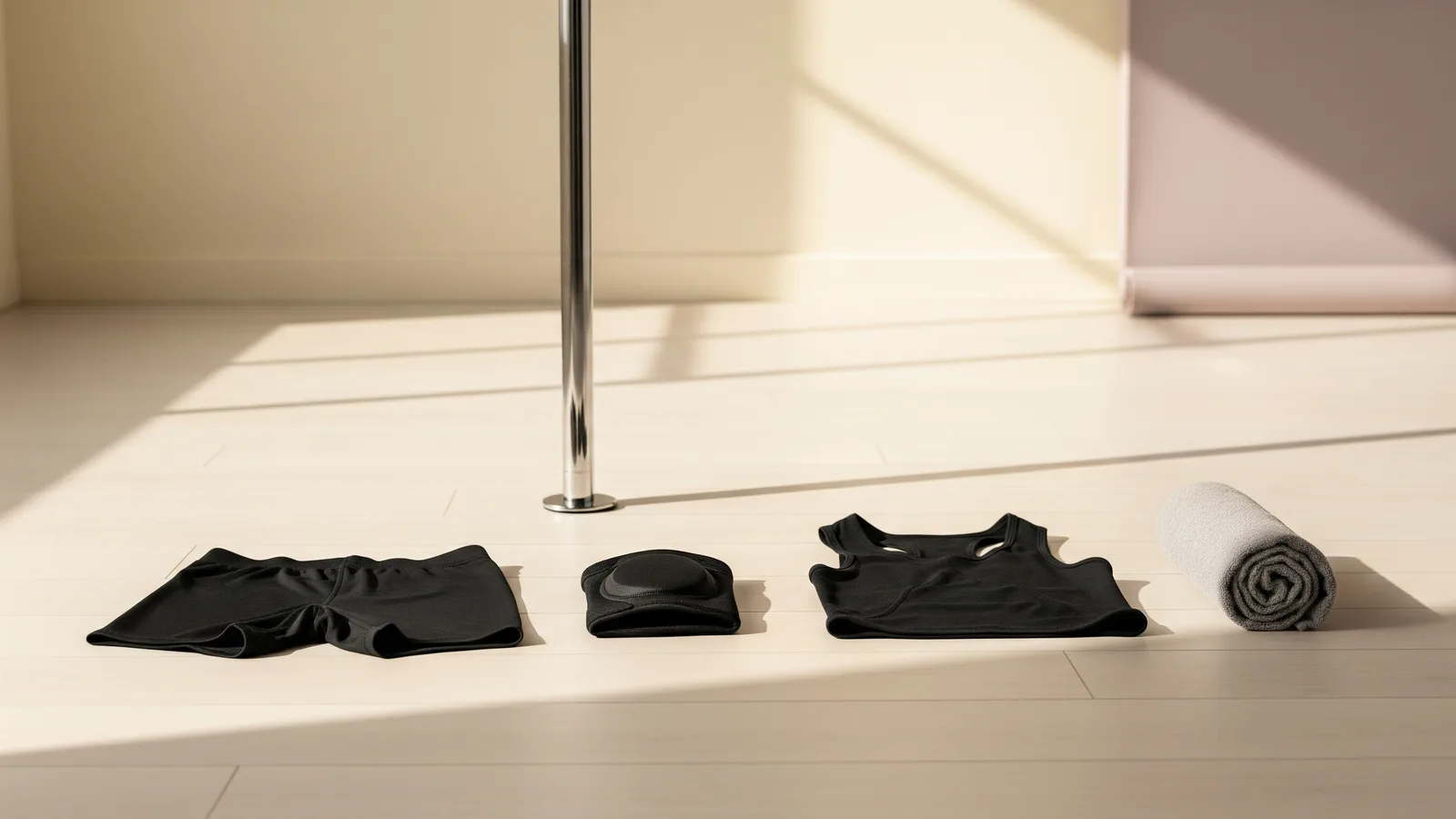
Getting Started
What to Wear to Pole Dancing Class (And What to Leave at Home)
The grip-first guide to what to wear to pole class: why shorts beat leggings, what to leave at home, coverage for the self-conscious, and seasonal notes.
Getting Started
What to Expect at Your First Pole Dancing Class: An Honest Walkthrough
A minute-by-minute logistics guide to your first pole class — arriving, waivers, warm-up, sharing a pole, the moves you'll try, and what to do after.
Getting Started
Can You Teach Yourself Pole Dancing? What Self-Taught Polers Say
Can you teach yourself pole dancing? You can learn the basics at home — but a qualified instructor prevents bad habits and injuries, especially before you invert.