Getting Started
Am I Too Old to Start Pole Dancing?
No, you're not too old for pole dancing. People start in their 30s, 40s, 50s and beyond. Here's how to quiet the fear and go at your own pace.
Pole Club Team5 min read
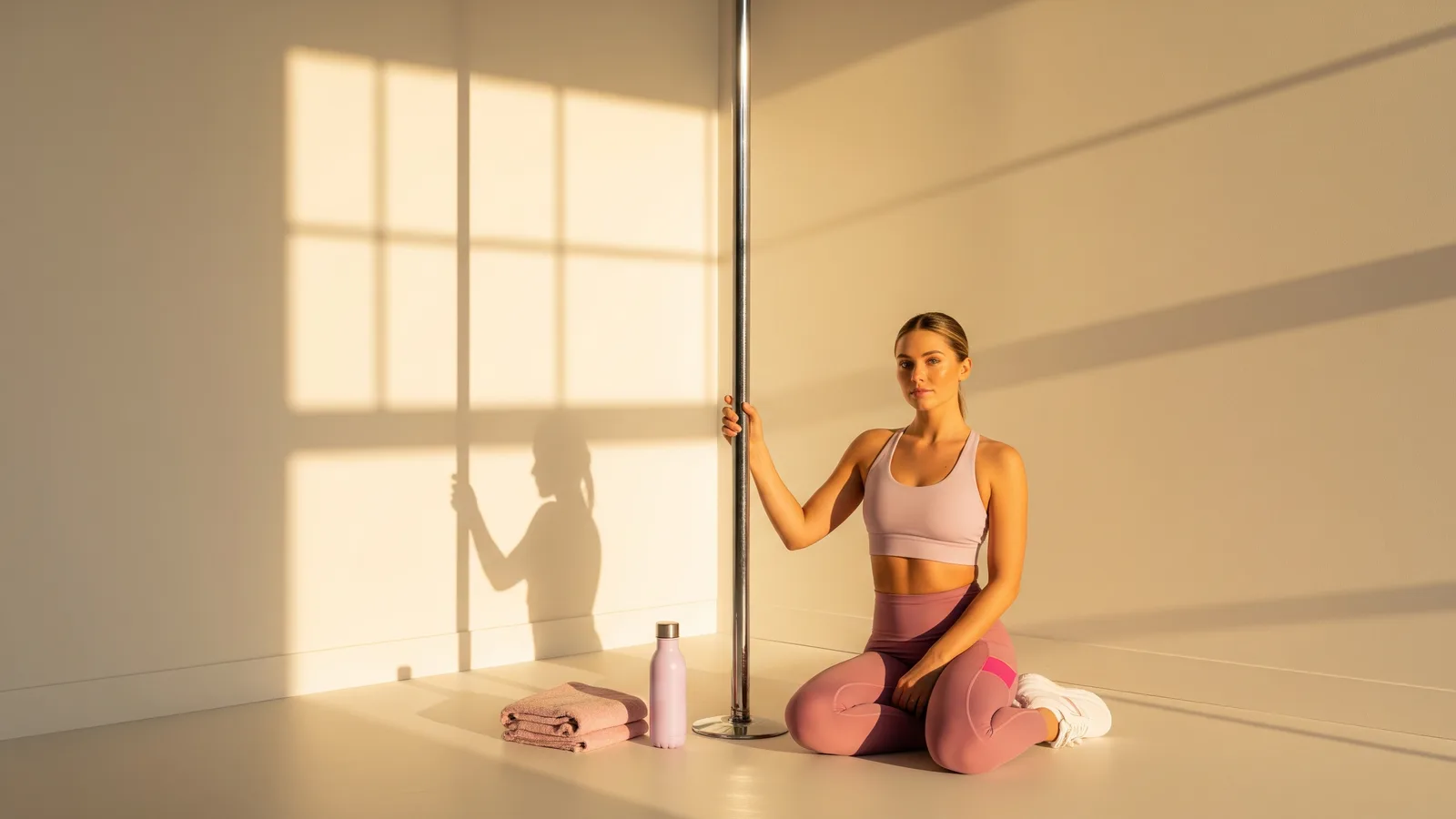
No, you are not too old to start pole dancing. There is no upper age limit, and people begin in their 30s, 40s, 50s and well beyond every single week across the UK. What holds most people back isn't their body — it's the story they tell themselves about their body. This piece is about quieting that story.
The fear behind this question is rarely really about age. It's about walking into a room full of strangers, being visibly new at something, and worrying you'll be the oldest person there or the least able. Those feelings are normal and almost everyone in that beginner class arrived carrying the same ones. Naming the fear takes a surprising amount of power out of it.
Is there an age limit for starting pole dancing?
There is no age limit for starting pole dancing. Adult beginner classes welcome anyone from their late teens upward, and studios routinely teach people in their 50s and 60s who have never done anything like it before. Your first moves lean on technique and body position far more than raw power, so a decades-younger body isn't the advantage newcomers imagine it to be.
If you have a health condition, a recent injury or you simply haven't exercised in years, that's a conversation with your GP and your instructor rather than a reason to rule pole out. A good studio would rather you tell them what's going on so they can scale the class to you. Starting later often means starting more sensibly, and that's no bad thing.
Won't I be the oldest, least fit person in the room?
Almost certainly not, and even if you were, it would matter far less than you fear. Beginner pole classes are a genuine mix — students, nurses, parents returning to exercise, retirees, people in their first term of movement in a long time. The room is far more varied than the image in your head, which tends to be built from performance videos rather than a Tuesday-night beginner class.
Fitness levels in a beginner class span an enormous range, and instructors expect that. Nobody is quietly assessing your body while you learn to grip a pole; they're focused on their own sweaty hands and their own first spin. The self-consciousness that feels so loud on the way in usually fades within the first fifteen minutes of actually doing the thing.
Will my body actually be able to do this?
Your body is far more capable than the fear suggests, and pole is designed to meet it where it is. You do not need existing strength or flexibility to begin — both are built gradually through the classes themselves, starting with simple spins, walks and holds. The progression is slow on purpose, which is exactly what an older or deconditioned body wants.
Strength gains in your first months are real and often faster than people expect, because pole trains grip, core and shoulders in a way daily life doesn't. If you'd like to know how that build unfolds, our twelve-week strength progression for new polers lays out a realistic arc. And if you want the practical, joint-by-joint detail on training after 40, our realistic guide to pole dancing over 40 covers recovery, warm-ups and what to flag to your instructor.
“The people who thrive at pole aren't the youngest in the room. They're the ones who kept turning up after the first awkward week.”
What if I've never exercised, or not in years?
A long break from exercise is a starting point, not a disqualification. Beginner pole classes assume nothing about your fitness and open with a warm-up designed to ease you in. If you've been sedentary, the honest move is to build a small amount of general strength and stamina alongside your first weeks, and to be patient with a body that's remembering how to move.
Gentle preparation between classes makes those early sessions feel far kinder, and it needn't be complicated. Our first ten pole moves guide shows what you'll actually meet in the beginning, so nothing catches you off guard, and light conditioning at home builds just enough of a base to make gripping and holding your weight feel less daunting. Starting from zero is completely ordinary in a beginner class.
How do I actually go at my own pace?
Going at your own pace starts with telling your instructor where you are and what you're nervous about, before the class rather than after. A qualified instructor will happily give you an easier version of any move, keep you off anything you're not ready for, and let you sit a round out without making it a thing. That's not special treatment — it's just good teaching.
Pace also means resisting the urge to compare your week three to someone else's year three. Progress in pole is genuinely non-linear at every age: some moves click instantly, others take months. One class a week with proper rest between sessions is plenty to start, and it's what most beginner courses are built around. Consistency over months beats intensity over weeks, and that's especially true for a body that's newer to this.
What if I still feel too self-conscious to book?
If the nerves are still winning, start smaller. Watch a beginner-focused class description, read a couple of recent studio reviews, or take our short pole readiness quiz to get a feel for where you'd fit. Reducing the unknown is often what finally makes the booking button feel possible.
When you're ready to see what's near you, browse studios by town in our UK pole class directory and look for one that runs a genuine beginner course with small class sizes. The best studio isn't the flashiest — it's the welcoming one close enough that you'll actually keep going back. Age was never the thing standing between you and that first spin.
Common questions
- What is the oldest age you can start pole dancing?
- There is no maximum age to start pole dancing. Studios teach beginners in their 50s, 60s and beyond. As long as you're cleared for general exercise, pole can be scaled to suit you. Talk to your GP first if you have a health condition or injury.
- Is pole dancing bad for your joints as you get older?
- Pole is generally low-impact and can strengthen the muscles around your joints when trained sensibly. Warm up properly, progress gradually and rest between sessions. If you have joint concerns, tell your instructor and see a physio or GP before starting so the class can be adapted.
- Do I need to be flexible to start pole dancing later in life?
- No. You do not need existing flexibility to begin at any age. The gentle mobility work built into beginner classes improves your range over time. Your early moves rely on grip and technique, not on being able to do the splits.
- Will there be other older beginners in my class?
- Very likely, yes. Beginner classes attract a wide age range, and many studios run daytime or over-40 sessions specifically. If it matters to you, ask the studio about the typical age mix before you book — most are happy to tell you.
Keep reading
See all posts →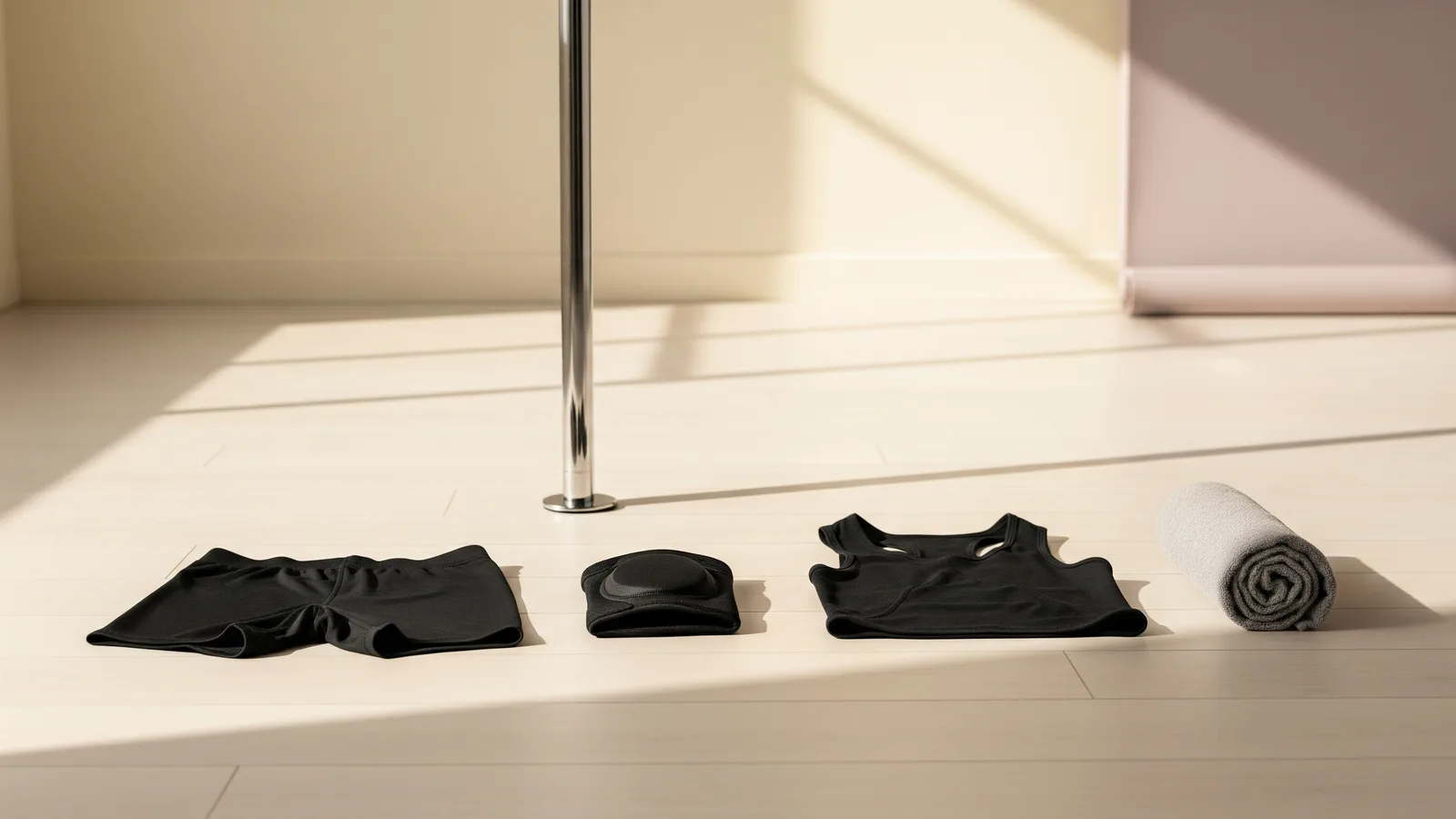
Getting Started
What to Wear to Pole Dancing Class (And What to Leave at Home)
The grip-first guide to what to wear to pole class: why shorts beat leggings, what to leave at home, coverage for the self-conscious, and seasonal notes.
Getting Started
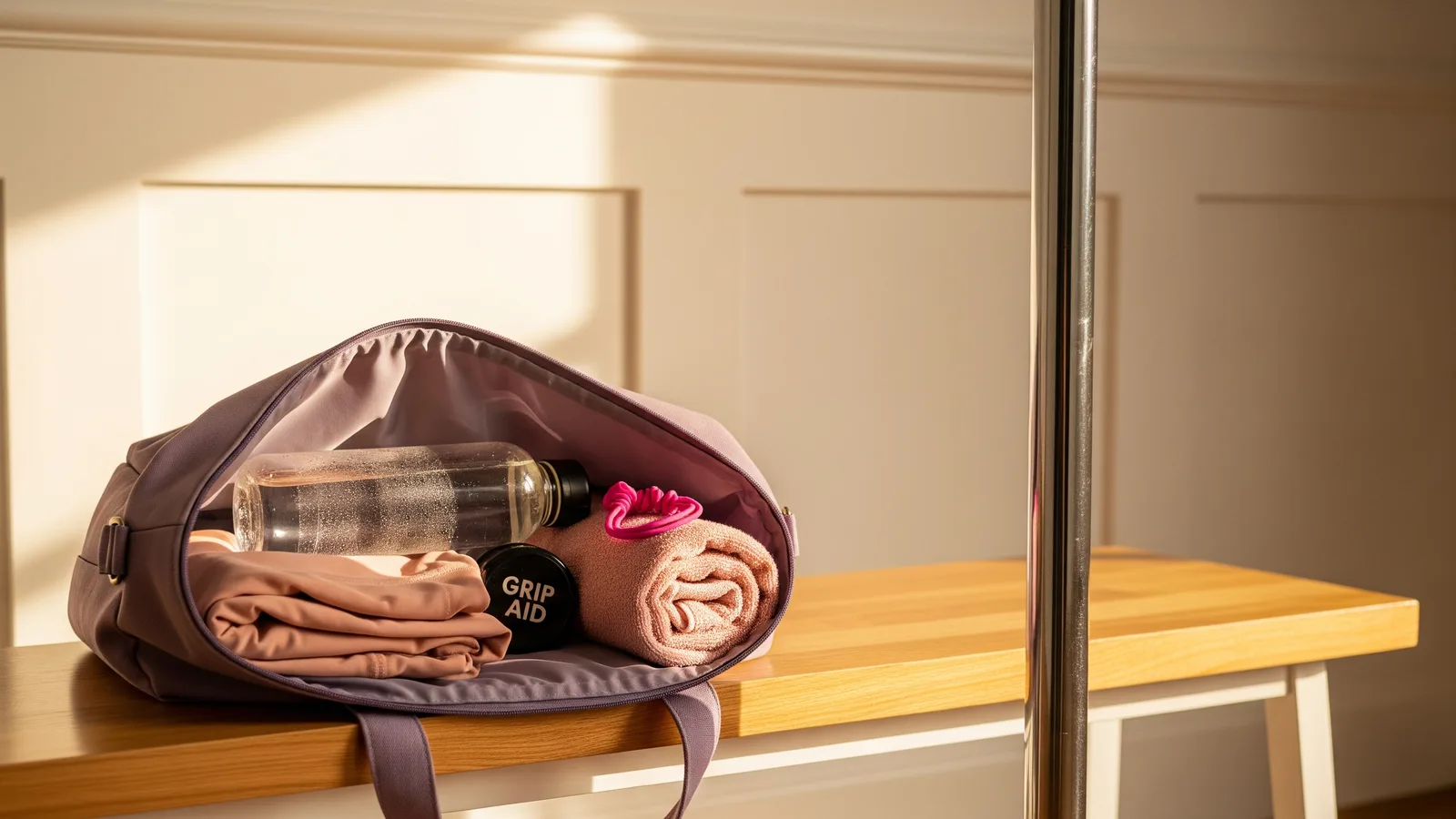
What to Expect at Your First Pole Dancing Class: An Honest Walkthrough
A minute-by-minute logistics guide to your first pole class — arriving, waivers, warm-up, sharing a pole, the moves you'll try, and what to do after.
Getting Started
Can You Teach Yourself Pole Dancing? What Self-Taught Polers Say
Can you teach yourself pole dancing? You can learn the basics at home — but a qualified instructor prevents bad habits and injuries, especially before you invert.