Getting Started
Starting Pole Dancing Over 40: A Realistic, Encouraging Guide
Practical guidance for starting pole dancing over 40 — joints, recovery, realistic strength gains, and exactly what to tell your instructor on day one.
Pole Club Team5 min read
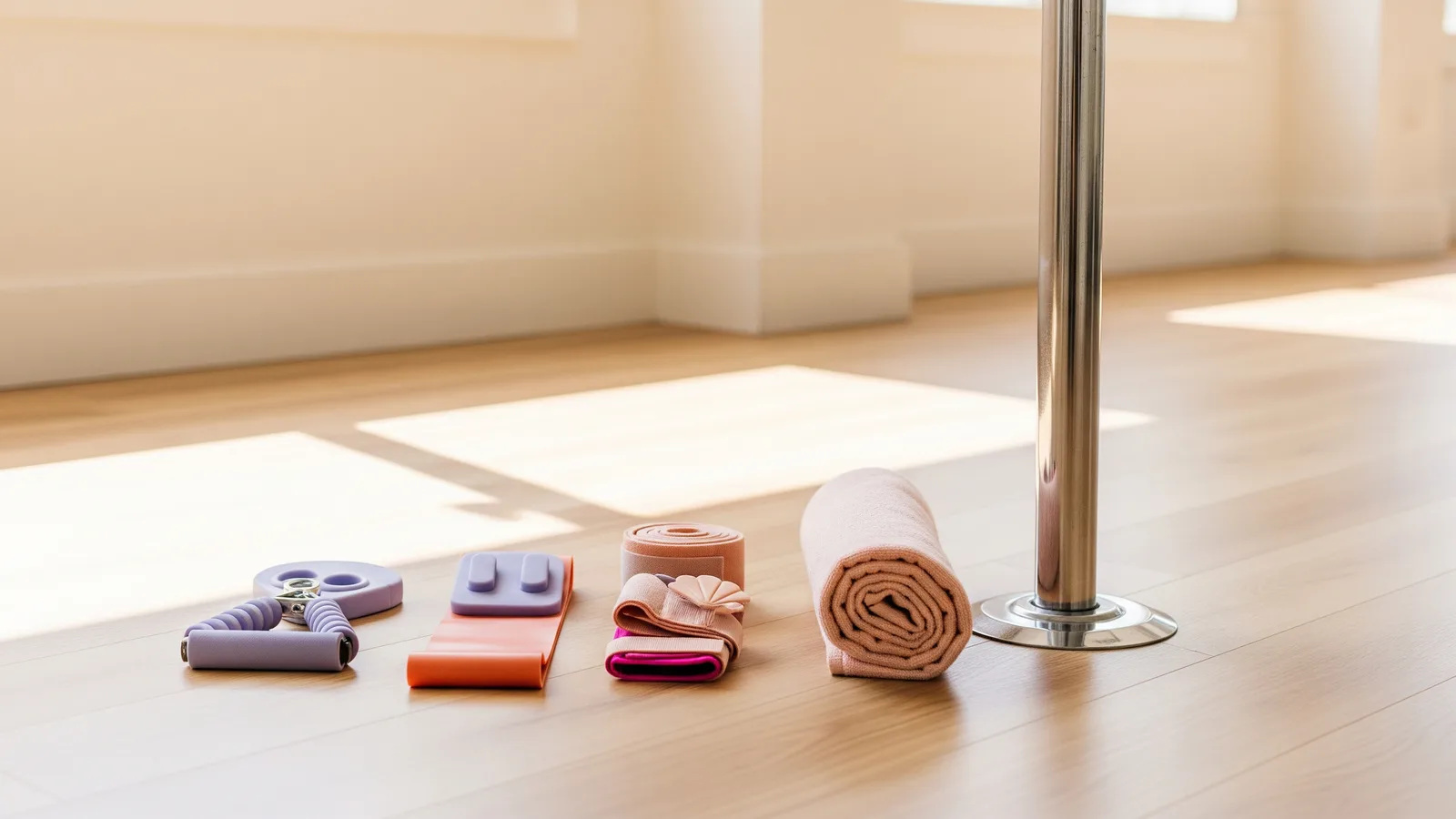
Starting pole dancing over 40 is not only possible, it's common, and with a few sensible adjustments it can be one of the best things you do for your strength and confidence. The body in your 40s and beyond recovers a little slower and warms up a little longer, but it also builds real, functional strength quickly once you begin. This is the practical, joint-by-joint guide to doing it well.
If your question is more about nerves than knees — whether you'll fit in, whether you're too old at all — that's a different conversation, and we've written a full piece on whether you're too old to start. This guide assumes you've already decided to try and now want to train smartly. Everything below is information to discuss with your own GP or physio, not a substitute for their advice.
Is pole dancing safe for your joints after 40?
Pole dancing is generally kind to joints because most of it is low-impact — there's no pounding, jumping or heavy landing in beginner work. The main demands fall on your grip, wrists, shoulders and the connective tissue around them, which respond well to gradual loading. The risk after 40 isn't the pole itself; it's doing too much too soon before those tissues have adapted.
Wrists and shoulders deserve particular attention because they take a lot of your bodyweight in early moves. Build wrist mobility and forearm strength gradually, and don't dismiss a niggle as something to push through — connective tissue heals more slowly than muscle at any age, and more so as we get older. If you have arthritis, a previous shoulder injury or hypermobility, get a physio's input on how to load safely before your first block.
How does recovery change, and how much rest do I need?
Recovery genuinely takes longer after 40, and respecting that is the single biggest lever for training without injury. Where a 20-year-old might bounce back overnight, you may want a full 48 hours between hard pole sessions in your first months. One class a week with good rest beats two classes a week that leave you constantly sore and never quite recovered.
Sleep, protein and hydration do more for a 40-plus body's recovery than any supplement, and delayed onset muscle soreness — the deep ache a day or two after class — is normal early on rather than a sign of damage. Sharp, localised or joint-specific pain is different and worth resting. Our guide to preventing common pole injuries covers the difference between good soreness and a warning worth listening to.
Will I actually get stronger, or is that a young person's game?
You will get stronger, and often noticeably so, because progressive strength gains are available at every adult age. Pole trains grip, core, back and shoulders in ways daily life rarely does, so many over-40 beginners see functional improvements — carrying shopping, posture, everyday stability — within a couple of months. The gains arrive a touch more gradually than in your 20s, but they arrive.
Building a little strength between classes accelerates everything and takes pressure off your joints during sessions. Gentle, joint-friendly conditioning at home — bands, holds, controlled bodyweight work — is ideal, and our at-home conditioning guide keeps it low-impact. The Pole Club Foundation Course is another structured, self-paced way to build the specific strength and body awareness that make studio classes land faster.
What should I tell my instructor before I start?
Tell your instructor about anything that affects how you move, before the class rather than after. A good instructor treats this as useful information, not as a reason to hold you back — it lets them scale moves to your body and keep you off anything that isn't right for you yet. Booking a studio with small beginner class sizes makes this kind of individual attention far more likely.
Worth mentioning to any new instructor:
- Any current or past injuries, especially to wrists, shoulders, back, knees or hips
- Joint conditions like arthritis, or hypermobility if you've been told you have it
- Recent surgery, or if you're pregnant or postnatal (ask your GP or midwife first)
- How long since you last trained regularly, so they can pitch the warm-up
- Anything you're nervous about — including going upside down before you're ready
Choosing the right instructor matters as much as choosing the right studio. If you're not sure what to look for, our guide to finding an instructor who's right for you walks through the questions worth asking before you commit to a block.
Do I need to worry about grip strength and skin?
Grip is often the first thing to fatigue for any new poler, and it's worth training deliberately after 40 because forearm and hand strength take time to build. The good news is that pole itself is one of the best grip trainers there is, and simple additions like dead hangs or holding a towel-wrapped bar between sessions bring it on faster. Wrist wraps can help support the joint while that strength catches up.
Skin also matters more than beginners expect. Grip comes from bare skin on the pole, so shorts and a vest are essential, and a grip aid like Dry Hands helps if your palms sweat. Older skin can be a little more prone to friction irritation, so build up contact time gradually and moisturise on rest days — just never right before class, since lotion is grip's worst enemy. The grip bruises known as pole kisses are normal and fade as your skin adapts.
How should I pace my first few months over 40?
Pace your first months around consistency and recovery rather than speed. One class a week, a thorough warm-up every time, and honest rest days will take you further than chasing moves. Inverting — going upside down — can wait until your grip, core and shoulder strength are genuinely ready, and there is no prize for rushing it at any age.
A realistic early arc looks something like this, though everyone's timeline differs:
| Rough stage | What it tends to feel like over 40 |
|---|---|
| Weeks 1–4 | Learning grip and basic spins; expect DOMS and pole kisses; focus on warming up fully |
| Months 2–3 | Noticeable strength and control gains; first sequences link together; recovery still needs respect |
| Months 4–6 | Building toward stronger holds and, when ready, early inverts with instructor guidance |
When you're ready to find a class, browse studios by town in our UK pole class directory and look for one running a proper beginner course with small groups and a warm, unhurried teaching style. Starting over 40 isn't a compromise — done sensibly, it's just starting wiser.
Common questions
- Can you build muscle from pole dancing over 40?
- Yes. Progressive strength gains are available at any adult age, and pole builds grip, core, back and shoulder strength well. Gains come a little more gradually than in your 20s, so pair consistent classes with proper rest and gentle conditioning between sessions.
- How often should I do pole dancing in my 40s as a beginner?
- One class a week is a sensible starting point, allowing around 48 hours of recovery between hard sessions. Add gentle home conditioning if you want to progress faster. Build to a second weekly class only once you're recovering comfortably from the first.
- Is it too late to learn to invert if I start pole over 40?
- No. Plenty of people learn to invert after 40. It simply comes after you've built enough grip, core and shoulder strength, guided by your instructor. There's no age deadline on going upside down — only a readiness one, and that applies to every beginner.
- What should I do if I feel joint pain during pole class?
- Stop the move and tell your instructor. Sharp or joint-specific pain is different from normal muscle soreness and shouldn't be pushed through. Rest it, and if it persists see a physio or GP. Flag any joint history before class so moves can be adapted.
- Do I need to warm up more thoroughly starting pole over 40?
- Yes, a longer, fuller warm-up genuinely helps after 40 by preparing your wrists, shoulders and connective tissue for load. Most classes build one in, but arriving a few minutes early to add gentle mobility work for your grip and shoulders pays off.
Keep reading
See all posts →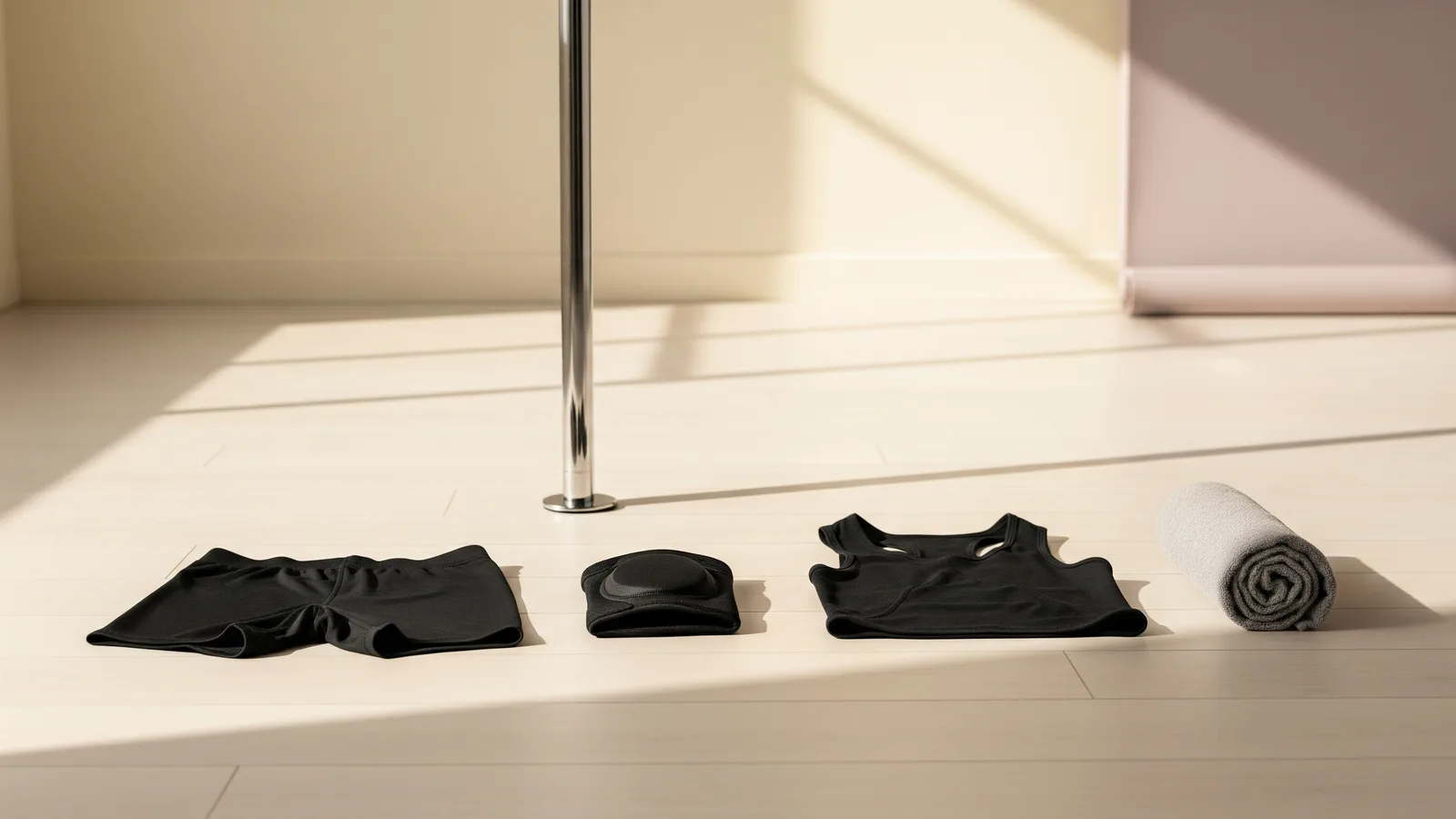
Getting Started
What to Wear to Pole Dancing Class (And What to Leave at Home)
The grip-first guide to what to wear to pole class: why shorts beat leggings, what to leave at home, coverage for the self-conscious, and seasonal notes.
Getting Started
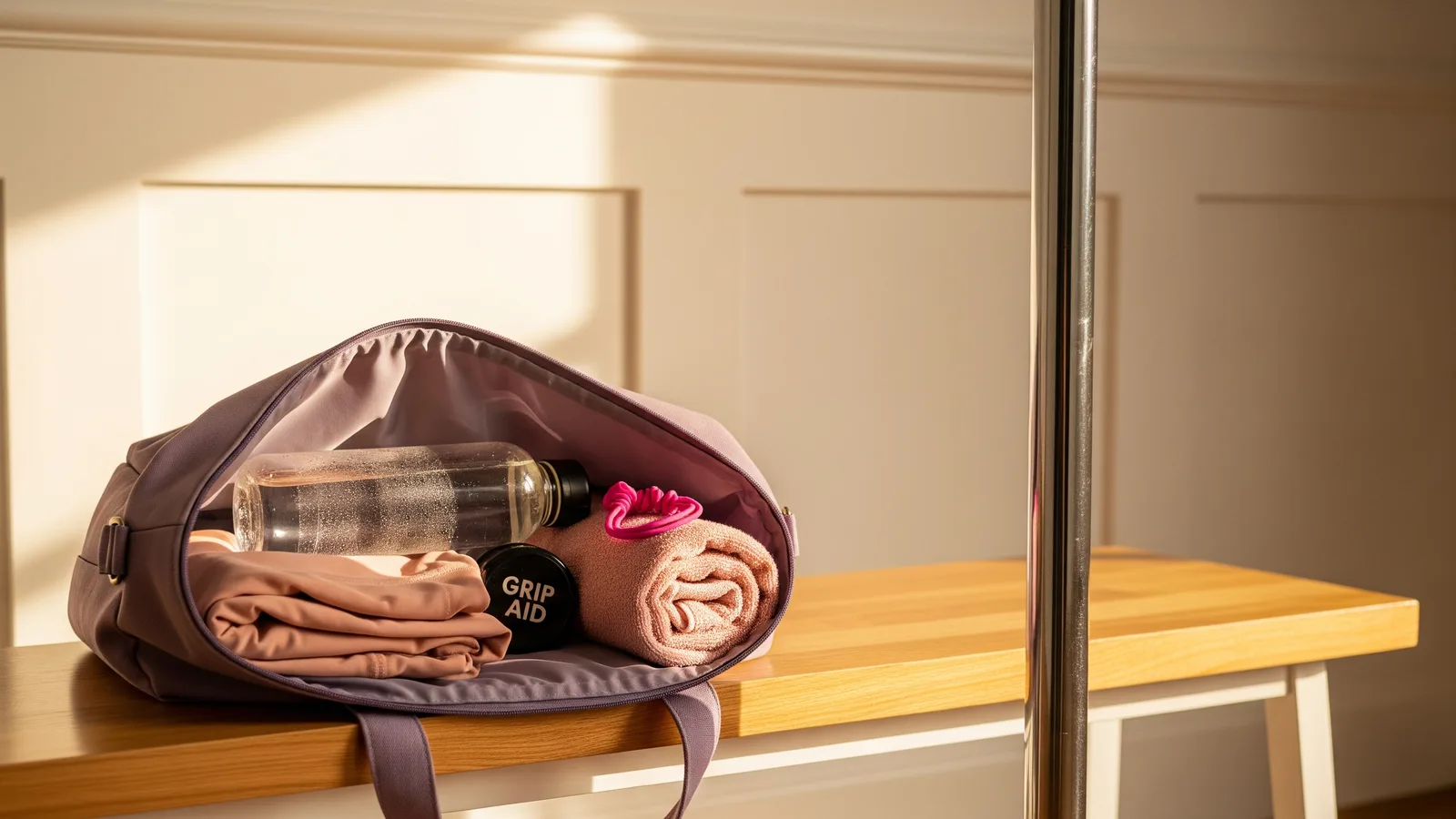
What to Expect at Your First Pole Dancing Class: An Honest Walkthrough
A minute-by-minute logistics guide to your first pole class — arriving, waivers, warm-up, sharing a pole, the moves you'll try, and what to do after.
Getting Started
Can You Teach Yourself Pole Dancing? What Self-Taught Polers Say
Can you teach yourself pole dancing? You can learn the basics at home — but a qualified instructor prevents bad habits and injuries, especially before you invert.