Getting Started
Do You Need to Be Strong to Start Pole Dancing? An Honest Answer
The honest answer to whether you need to be strong to pole dance: no. Here's how strength builds progressively and why technique beats power early on.
Pole Club Team4 min read
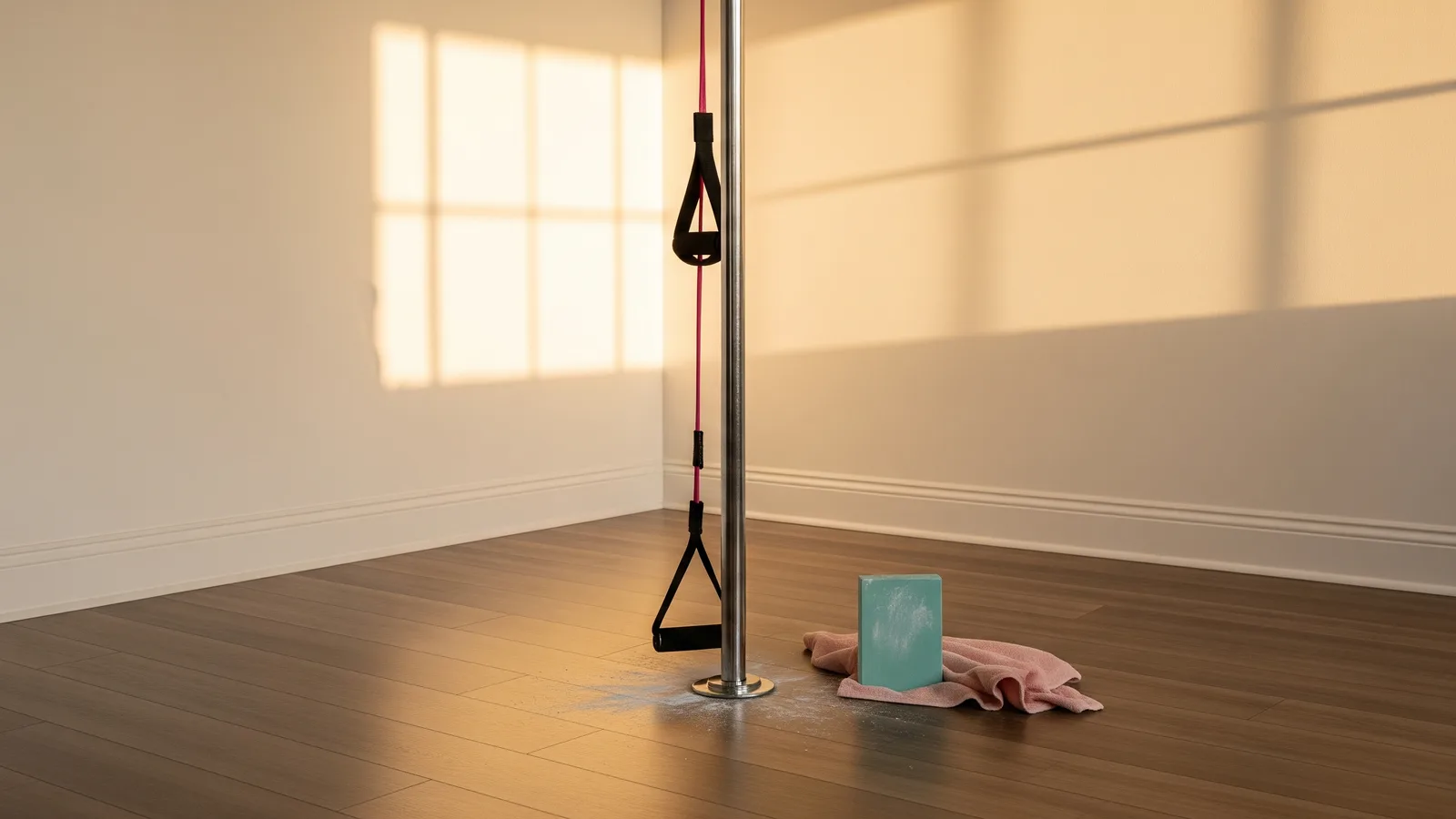
No — you do not need to be strong to start pole dancing. Beginner classes are built for people with no strength, no dance background and no gymnastics past, and the strength you'll need is something pole itself gives you over weeks and months. The sport is the training, not the entry exam.
This is the single most common worry that stops people booking, and it's based on a misunderstanding. The impressive routines you've seen online are years of progressive training, not the starting line. Nobody walks into a first class able to do them, and no instructor expects you to.
So do you really not need any strength to begin?
Correct — a complete beginner needs no particular strength to start pole dancing. Your first classes teach a pole walk, a basic spin and a simple sit, all of which rely far more on where you place your body than on how much you can lift. If you can walk up a flight of stairs and carry a shopping bag, you have enough to begin.
Instructors scale every move to the person in front of them. Can't manage the full version of something yet? There's a stepping-stone version, and that's the normal way pole is taught. You progress from where you are on the day, not from some standard you're expected to arrive with.
How does strength actually build in pole?
Strength builds in pole progressively, because the curriculum is designed as a ladder — each move quietly prepares the muscles for the next one up. The grip and shoulder engagement you use for month-one spins is exactly what you'll draw on for month-three climbs and holds. You're training without it feeling like training, because you're learning moves you actually want to do.
The muscles pole develops most are grip and forearms, shoulders and upper back, and your core. These are the areas that feel weak and shaky in the first few weeks and then, almost without you noticing, stop being the limiting factor. The turning point for most beginners lands somewhere in the first couple of months of regular weekly classes.
Isn't technique more important than raw power anyway?
Yes — technique beats raw power in pole, especially early on. A well-placed grip and the right body line let you hold a move that brute force would just exhaust you trying to muscle. This is why lighter, stronger-looking people don't automatically find pole easier, and why patient beginners often overtake naturally strong ones who try to power through.
Learning to engage the right muscles at the right moment is a skill in itself, and it's most of what your first term teaches. A move that feels impossible one week suddenly clicks the next, not because you got dramatically stronger overnight, but because your body found the efficient path. Chasing technique is a better use of your energy than chasing strength.
“The beginners who improve fastest are rarely the strongest — they're the ones who keep turning up.”
Which muscles does pole dancing actually work?
Pole works your grip and forearms, shoulders, upper back and core more than anything else, with your legs pitching in for climbs and sits. It's the pulling and gripping muscles that feel the strain first, because most of us rarely use them in daily life — which is exactly why beginners feel weak in those areas and why they respond so quickly to training.
Because pole recruits so many muscles at once, it builds a balanced, functional kind of strength rather than isolating one body part. You're not doing bicep curls; you're holding your whole self up. That whole-body demand is why people notice their posture and everyday lifting getting easier within a few months, long before they can manage anything that looks impressive on the pole.
Can you build pole strength between classes?
You can, and gentle conditioning at home speeds up your early progress, but it isn't required to keep improving — one weekly class already builds strength on its own. If you want to give it a nudge, simple bodyweight work for your grip, shoulders and core does far more than trying to force new pole moves alone at home.
For a structured plan, our twelve-week strength progression for new polers builds exactly the right muscles with no special kit, and the conditioning at home guide gives you drills you can do on the days you're not in the studio. Both support your classes rather than replacing them.
What should a nervous, less-strong beginner focus on?
If you feel weak or unfit, focus on turning up consistently rather than progressing fast — that's what actually builds strength and confidence. The beginners who improve quickest are rarely the strongest; they're the ones who keep showing up and stop apologising for being new. Strength is a by-product of consistency, not a prerequisite for it.
A structured beginner pathway helps here, because it removes the guesswork about what to work on. The Pole Club Foundation Course builds the body awareness and base strength that make studio classes land faster, and the wider beginner's guide to pole covers what to expect across your first weeks. When you're ready to find a class, browse studios in the UK directory by town.
Common questions
- Do I need to be able to do a pull-up to start pole dancing?
- No. You don't need a pull-up, a push-up or any strength benchmark to start. Beginner moves rely on technique and body position rather than pulling power. The strength for harder moves, including anything resembling a pull-up, builds gradually through the classes over your first few months.
- How long until I feel stronger from pole dancing?
- Most beginners notice their grip, shoulders and core feeling stronger within the first month or two of weekly classes. Early soreness gives way to moves that once felt impossible starting to click. Real, visible strength for advanced moves takes several months to a year of consistent training.
- Will pole dancing build muscle if I start weak?
- Yes. Pole is a progressive strength sport, so it builds grip, shoulder, back and core muscle steadily even if you start with none. The curriculum is designed as a ladder where each move prepares you for the next, so you build strength simply by keeping up with the classes.
- Is it harder to pole dance if I'm not naturally strong?
- Not as much as you'd think. Technique matters more than raw power early on, so patient beginners often progress faster than naturally strong people who try to muscle through moves. Consistency and good body position beat starting strength, and everyone builds the muscle they need as they go.
Keep reading
See all posts →
Getting Started
What to Wear to Pole Dancing Class (And What to Leave at Home)
The grip-first guide to what to wear to pole class: why shorts beat leggings, what to leave at home, coverage for the self-conscious, and seasonal notes.

Getting Started
What to Expect at Your First Pole Dancing Class: An Honest Walkthrough
A minute-by-minute logistics guide to your first pole class — arriving, waivers, warm-up, sharing a pole, the moves you'll try, and what to do after.

Getting Started
Can You Teach Yourself Pole Dancing? What Self-Taught Polers Say
Can you teach yourself pole dancing? You can learn the basics at home — but a qualified instructor prevents bad habits and injuries, especially before you invert.